Awakenings
Statics, motion and a poster generator for the ADE 2026 announcement, built as one world.
Brief
Awakenings is the benchmark for techno in the Netherlands. Its ADE show is the flagship night of the year. For the 2026 edition the agency brief was the art direction of the event campaign. The brief was open, the trust was there, and the date was not moving.
The ask was the visual world of the announcement: a set of statics for the campaign and motion for the reveal, all of it holding together across every format the festival uses. The starting point was the stage design that already existed for the show.
Inspiration
Walking through the stage design, the connection was clear. The rig was all planes, beams and hard angles, with geometry doing the work of decoration. It read like constructivism pushed into three dimensions.
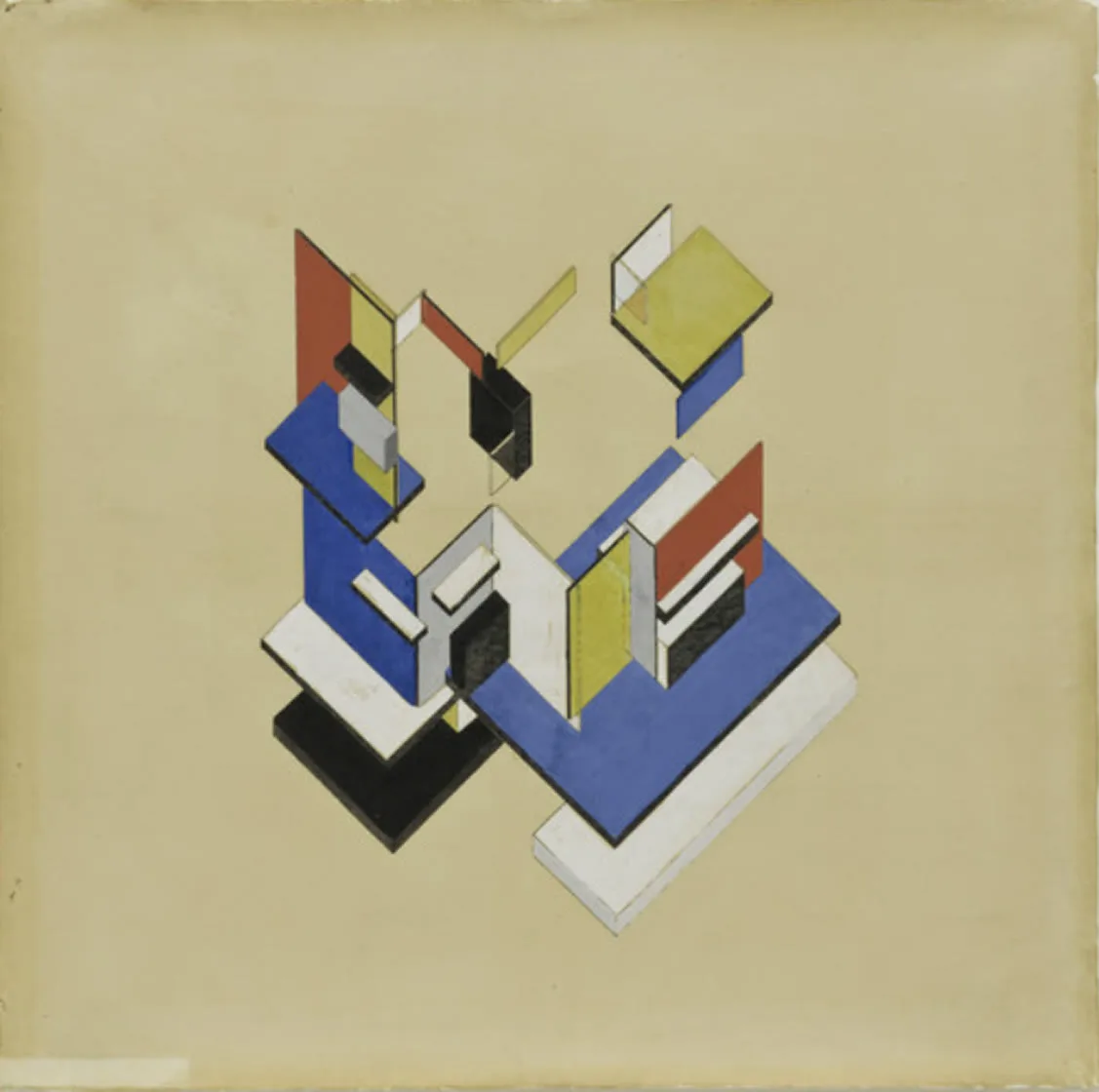
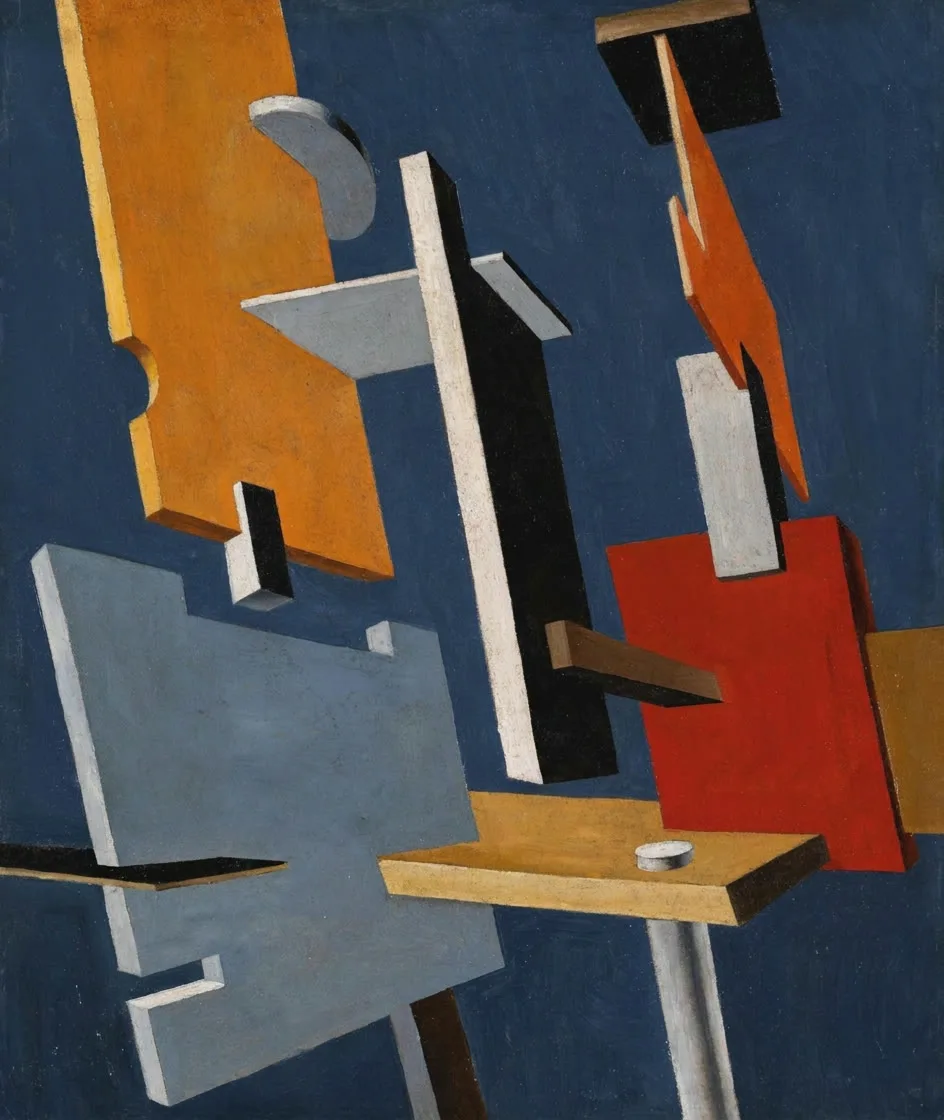
The research is anchored on two names: Theo van Doesburg, whose contra constructions set architecture free of gravity, and Ivo Pannaggi, whose paintings give machines a kind of theatre. That vocabulary already lived inside the stage, so the job was translating it into the festival’s visual language.
It was not picked for the look. Techno is structural music, repetition and tension and release, and constructivism gives that a body: hard geometry, industrial weight, nothing ornamental.
Synthesis
The Awakenings landmark was not up for negotiation. It is the most recognisable asset the festival owns, so every move had to bend back to it.
In close collaboration with the client, the constructivist geometry was reshaped around the mark until the two read as one object. Planes extend its edges. Beams pick up its angles. The logo stops being a flat sign and becomes a monument you could walk around.
World
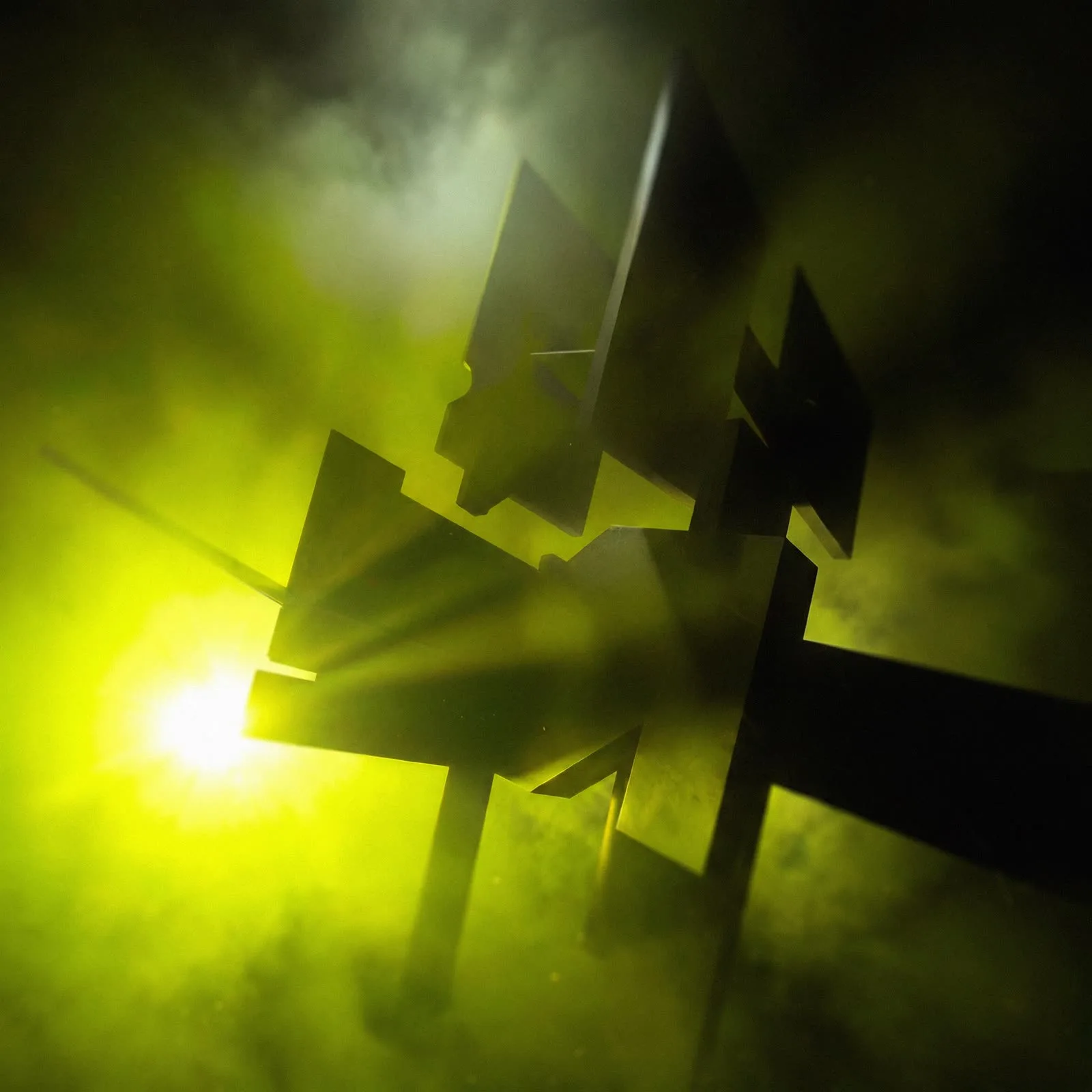
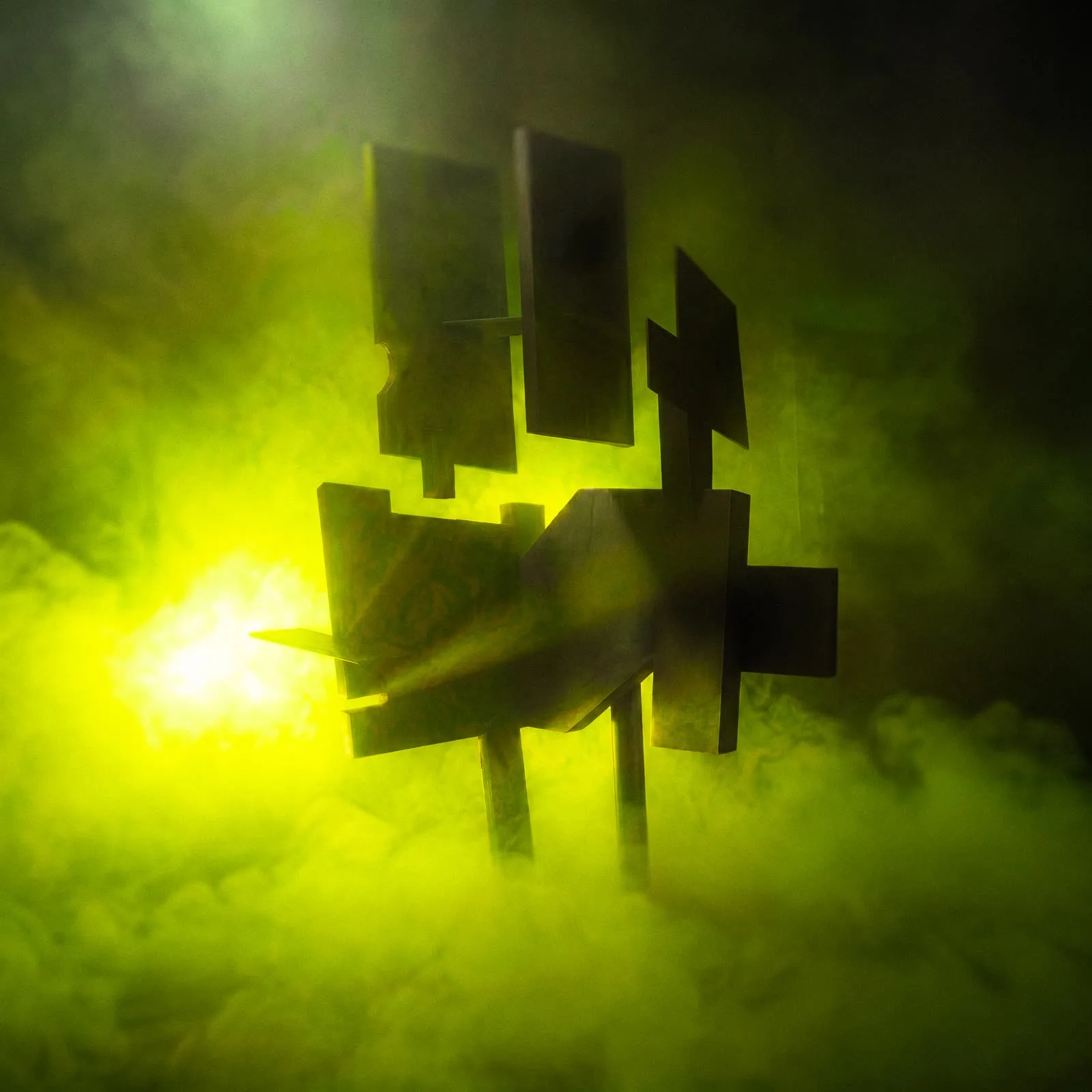
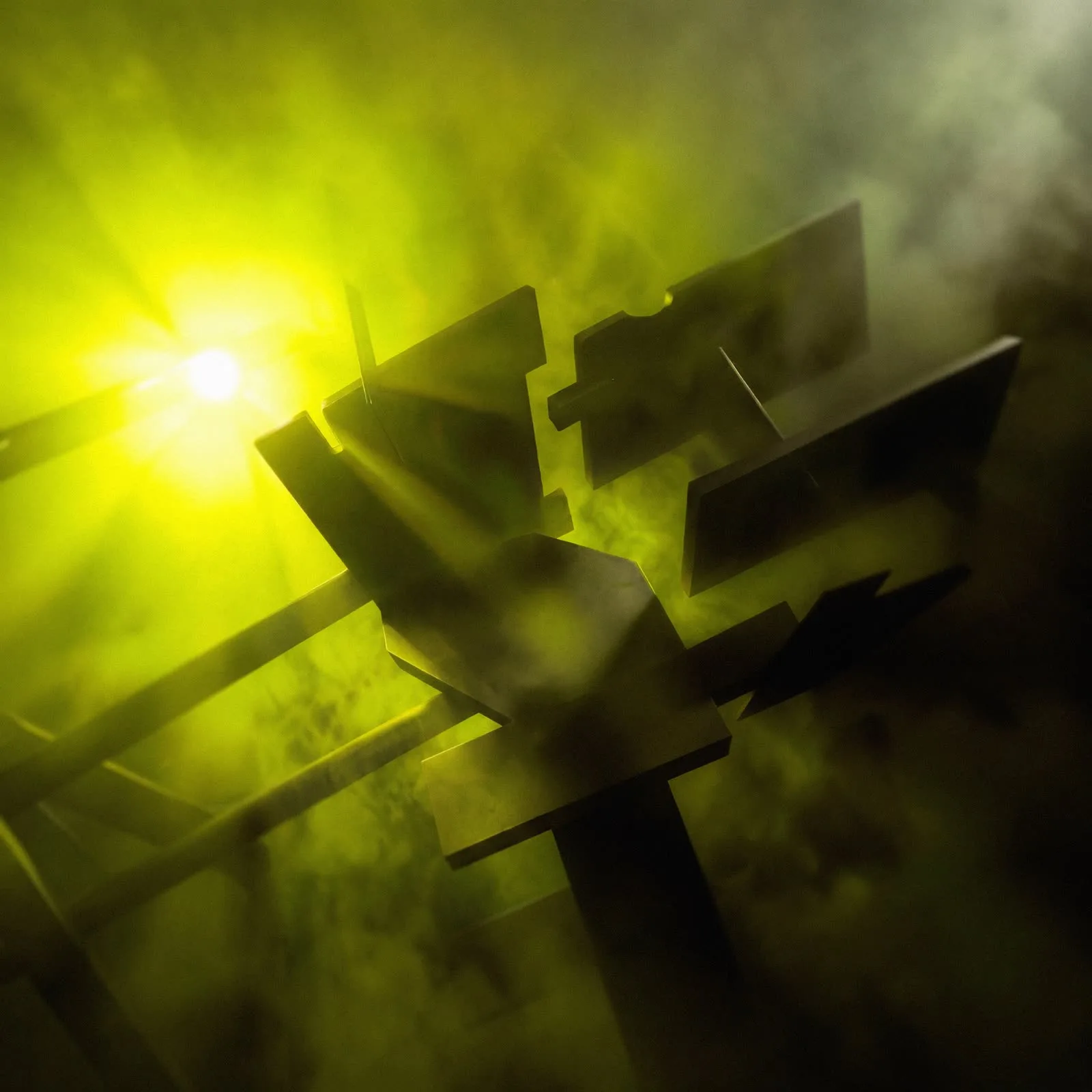
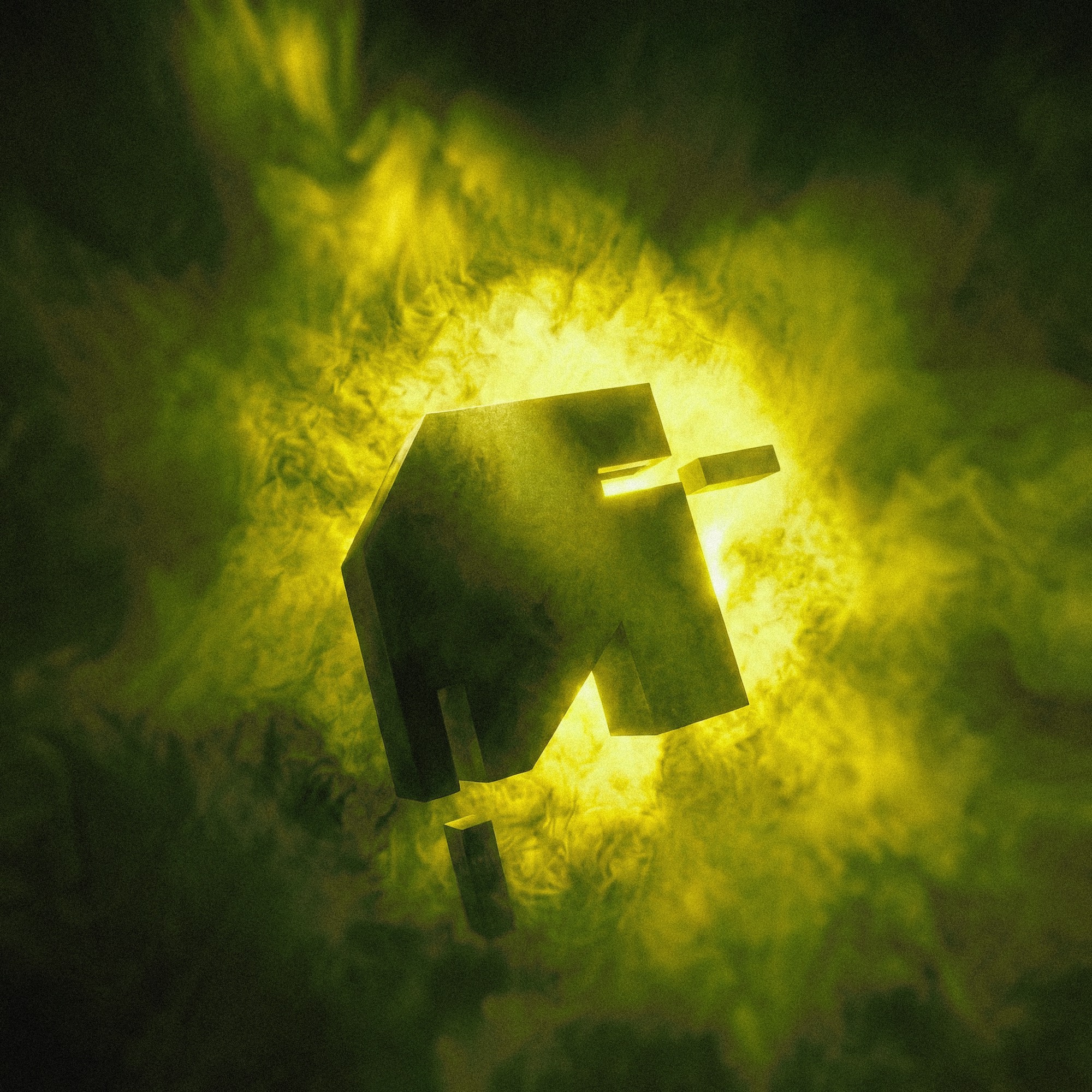
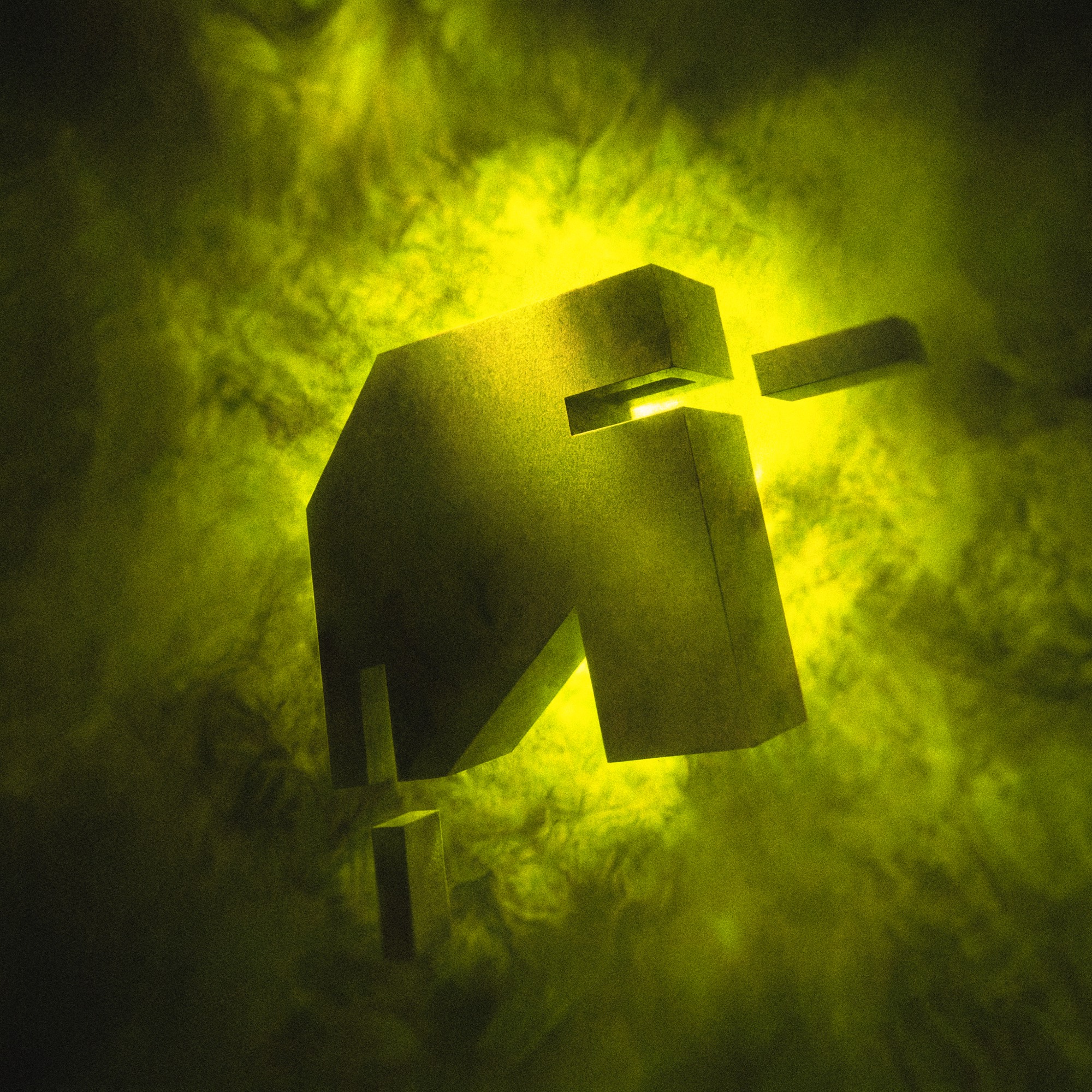
The statics treat that monument as a physical thing on a real stage: dense smoke, one hard backlight, and the festival’s acid yellow doing all the colour work. The light behaves the way it does in the main room, because that light is the material the whole world is built from.
So every image is a different position in the same space: an aerial view over the full construction, frontal portraits of the monument, low angles, close details. Different crops of one place. That is what makes the set read as a world rather than a collection of renders.
Motion
The announcement film sets the grammar. The camera drifts through the smoke, forms resolve out of the dark, and the landmark arrives last, lit from behind like the headliner it is.
From there the system spreads across formats: a horizontal aerial pass for screens and web, a vertical cut for stories and phones. Same world, different windows into it.
Craft
Classical visual research is mixed with Weavy AI for fast iteration on statics and motion. The tool never decides anything. It is handed a world that is already set, the references and materials and light behaviour and reworked geometry, and it iterates inside those walls.
Most of the work sat in the prompting: building the brief the machine reads, layering reference on reference, correcting drift, throwing away everything that stepped outside the world. Generation is cheap. The judgement is the craft.
What came out of it was speed without losing authorship: a set of assets that all read as one thing, made fast enough to explore and refine and still hit the date.
Tool
The announcement was only the opening. Behind it sat 31 acts, each needing its own poster in two formats, with names and dates and rooms moving until the week of the show. By hand that is a week of production and a second week of version control.
So the deliverable changed. The world was already a system: one duotone, one smoke field, one lockup, one type hierarchy. The client got a generator that applies it. A press photo goes in and the same six moves run every time, whatever the photo is. A full body, a chest-up portrait, a duo. They all come out belonging to the same night.
The client runs it themselves. A lineup change at noon is a finished asset five minutes later, still inside the world. That is the part that landed. Not that a machine made the images, but that their own team could make them at any hour, without asking whether it was still on brand.
- 01 CutoutSubject lifted
- 02 GradeDuotone to acid
- 03 FieldSmoke rebuilt
- 04 LockupMark set
- 05 TypeName, date, room
- 06 ExportBoth formats